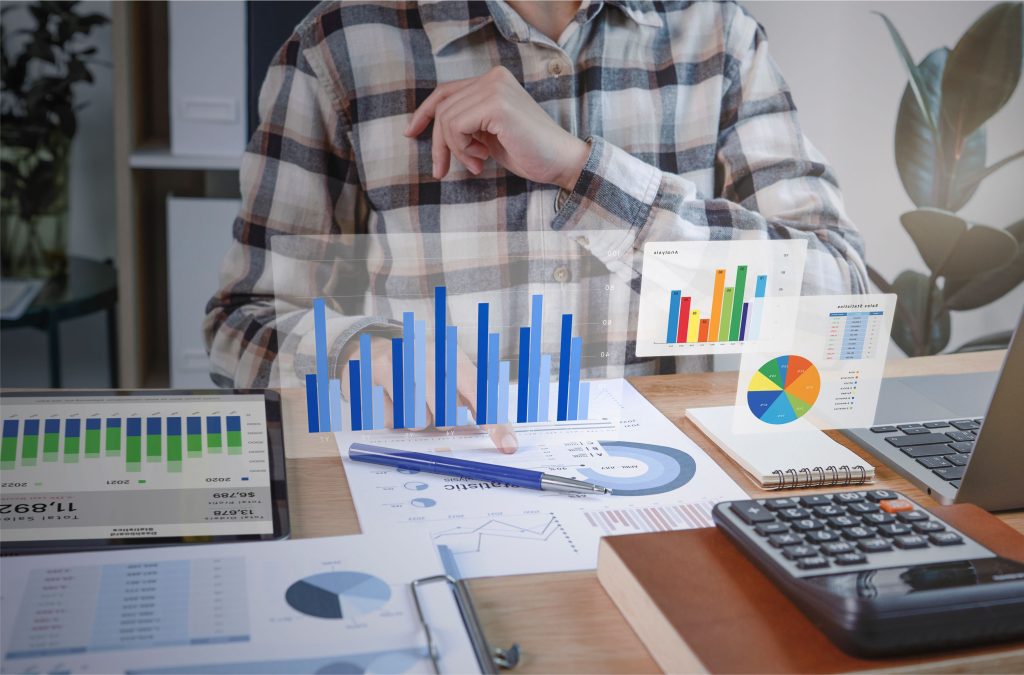

All leadership seeks the same goal: to make better, faster decisions with a smaller margin of error. However, many companies still operate with a silent and dangerous problem: leaders making decisions without seeing the real workings of the operation.
The result is reactive management. The manager only sees the problem when it has already impacted deadlines, costs, productivity, or organizational climate. Without a clear map of the operation, leadership begins to decide based on perception, urgency, or excessive noise, not on evidence.
This scenario creates what is called blind leadership: when responsibility increases, but visibility decreases.
1. Deciding without operational data is managing consequences, not causes.
Most companies measure end results:
• revenue
• consolidated productivity
• turnover
• SLA
• goals achieved or not achieved
These indicators are important, but they are belated. They show what happened afterward.
The real problem lies in the absence of path indicators:
• where time is being consumed
• where bottlenecks arise
• which steps generate rework
• where there is excessive coordination
• which patterns precede performance decline
Without this map, the manager doesn’t correct the cause. They only react to the effect.
2. Excessive activity creates a false sense of control
When the operation is not visible, leadership tends to use substitute signals to measure performance:
• number of meetings
• speed of response
• online presence
• volume of tasks moved
• frequency of status updates
These signals show movement, but not necessarily progress.
Asana points out that about 60% of work time can be consumed by work about work, activities such as meetings, alignments, and information gathering, instead of actual execution.
This means that teams can appear extremely productive while making very little progress.
3. The fragmented day destroys leadership’s understanding
Another factor that blinds leadership is the fragmentation of the workday.
Microsoft has identified that employees can be interrupted every two minutes during core work hours by meetings, emails, and messages, creating what’s called the infinite workday.
This pattern generates:
• complex tasks taking longer than they should
• decisions being constantly postponed
• revisions piling up near deadlines
• execution based on urgency, not planning
Without telemetry, managers interpret this as low individual performance, when often the problem lies in the system.
4. Pressure increases, but clarity doesn’t
In 2026, productivity and profitability will be among the top priorities for leadership, according to a Robert Half survey of managers, tied at 52% of responses.
At the same time, the demand for quick decisions, operational efficiency, and talent retention is growing.
The paradox is clear:
• pressure increases
• complexity increases
• but operational visibility doesn’t keep up
Without clarity, more pressure doesn’t improve performance. It only accelerates burnout.
5. The Human Cost of Leadership Without a Map
When leadership makes decisions without visibility, the team feels it first.
Classic signs emerge:
• excessive demands without clear context
• frequent changes in priorities
• recurring rework
• a feeling of effort without progress
• loss of confidence in the company’s direction
Gallup shows that disengagement continues to generate massive losses in overall productivity, and the direct manager remains one of the main influencing factors on performance and retention.
When leadership acts in the dark, the impact is not just operational. It’s cultural.
6. The True Role of Telemetry: Transforming Management into Direction
Telemetry is not excessive control. It’s operational clarity.
It allows leadership to see:
• how the work really happens
• where the system loses efficiency
• what patterns precede failures
• where effort is being wasted
• how to intelligently redistribute workload
This completely changes the logic of management.
Instead of asking «who is causing delays?», the manager starts asking «what in the system is creating this delay?» That’s the difference between micromanagement and strategic leadership.
7. Cómo Productivity Radar devuelve la visión al liderazgo
Productivity Radar actúa precisamente donde el liderazgo pierde claridad: en el espacio entre la estrategia y la ejecución.
La plataforma transforma el trabajo real en telemetría operativa continua, lo que permite tomar decisiones basadas en datos, no en percepciones.
En la práctica, Radar permite:
• mapear el flujo real de actividades
• identificar cuellos de botella antes de que se conviertan en una crisis
• detectar coordinación y retrabajo excesivos
• monitorear patrones de enfoque, compromiso y carga de trabajo
• alinear las decisiones estratégicas con datos operativos continuos
El resultado es directo:
• menos reuniones de estado
• menos decisiones basadas en conjeturas
• mayor previsibilidad
• mayor ritmo operativo
• mayor confianza entre el liderazgo y el equipo
Liderar no debería ser un ejercicio de conjeturas.
Cuando la empresa ofrece visibilidad real de la operación, el gerente deja de apagar incendios y vuelve a hacer lo que realmente importa: guiar la dirección, proteger el rendimiento y sostener el crecimiento.
Sin un mapa, el liderazgo se convierte en reacción. Con la telemetría, el liderazgo vuelve a ser estratégico.
Radar de Productividad: El Futuro de la Gestión Inteligente
¿Qué es el Radar de Productividad?
Más que una plataforma de gestión, el Radar de Productividad es el futuro de la eficiencia organizacional. A través de la inteligencia de datos, rastreamos actividades, procesos y el compromiso de los empleados, brindando a los líderes una visión clara y estratégica para lograr resultados reales.
¿Por qué su empresa necesita el Radar de Productividad?
Si su gestión aún se basa en suposiciones y carece de visibilidad, es hora de un cambio. Radar de Productividad ofrece total claridad, ayudándole a:
✅ Gestionar su capital humano con precisión
✅ Monitorear procesos y equipos sin microgestión
✅ Identificar patrones de comportamiento para tomar decisiones más estratégicas
✅ Construir una gestión basada en datos confiables
Los 4 Pilares de la Gestión Inteligente
🔹 Gestión Estratégica del Capital Humano – Optimice el rendimiento de su equipo, ya sea en remoto o presencial
🔹 Monitoreo Inteligente de Equipos – Obtenga una visión integrada de lo que realmente impacta en sus resultados
🔹 Indicadores Basados en Datos – Convierta números en insights poderosos
🔹 Gestión Unificada – Agendas, telefonía y flujos de trabajo en un solo lugar
¿Qué hace posible el Radar de Productividad?
🚀 Gestión 4.0: Unifique departamentos, visualice procesos y tome decisiones basadas en datos reales
📉 Reducción de GAPs: Elimine ineficiencias, procesos repetitivos y riesgos operativos
📊 KPIs en tiempo real: Monitoree el rendimiento con precisión y optimice la productividad
🔄 Mejora Continua: Anticipe problemas, optimice recursos y fortalezca la cultura corporativa
¿Cómo aumentar la productividad?
✅ Monitoree y potencie el rendimiento del equipo—remoto, híbrido o presencial
✅ Reduzca desperdicios y elimine la ineficiencia sin burocracia excesiva
✅ Prevenga fraudes y comportamientos perjudiciales antes de que impacten en su negocio
✅ Analice tendencias de comportamiento para tomar decisiones más acertadas
🚀 ¿Listo para transformar la gestión de su empresa?
🔗 Solicite una demostración ahora: www.radardeprodutividade.com.br